

Accurate IPL tips are not written in the hour before the toss. They are the output of a process that starts days earlier with fixtures, squads and venue data, and finishes with a price check minutes before the first ball. Understanding that process tells you which tips are worth following.

Gather the right inputs first
The inputs are public: venue par scores, squad lists, weather forecasts, travel schedules and the price history for each market. Nothing about them is secret, which is why the same information supports very different results in different hands.
What separates a good tip is the order of the checks. Availability first, then role, then conditions, then price. Skip a step and the tip is built on a guess.
Model the match, not the hype
Team reputation moves markets more than it should. A franchise with a famous top order keeps short odds even when three of its four overseas players are unavailable or out of touch.
A good process ignores the badge and asks what the XI can actually do at that venue tonight. Where the answer differs from the price, there is a bet.
Line-ups and the impact player
In the IPL the impact player rule changes team balance inside the match. An extra specialist bowler or an extra batter changes the expected scoring rate and, in turn, the totals line.
Tips published before the XIs are confirmed should be treated as provisional. Wait for the team sheet, then recheck whether the price still makes sense with the actual eleven on the field.
| Input | Why it matters | Checked when |
|---|---|---|
| Venue par score | Anchors the totals line | Days before |
| Squad availability | Changes both teams' strength | Before the toss |
| Pitch report | Sets spin and seam expectations | At the toss |
| Dew forecast | Shifts the chase price | Evening matches |
| Price movement | Shows where the value sits | Last hour |
Work down that list and the tip builds itself. Work up it, starting from a favourite and looking for reasons, and you end up defending a price rather than evaluating it.
Pitch reports and dew
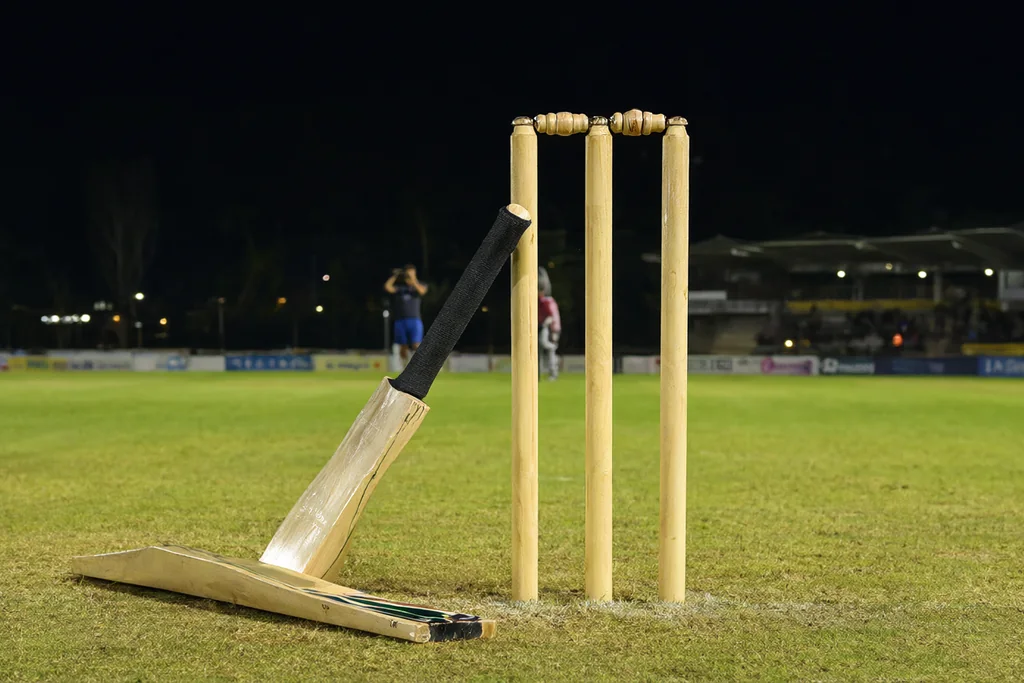
Pitch reports are short but informative. Look for the words used about the surface: hard, dry, fresh, used, or covered. Each one points to a different expected score and a different balance between bat and ball.
Dew is the IPL's hidden variable. Once the ball gets wet, spin becomes harder to grip and chasing sides shorten, which is why evening totals lines often drift higher as the innings progresses.
Compare prices across books
- Three books minimum: the same selection often differs by several percent.
- Check the line, not only the odds: half a run on a total can decide value.
- Note the time: a price is only useful with the moment it was taken.
- Beware of stale quotes: tips referencing old odds cannot be followed.
- Record the closing price: it shows whether the tip was ahead of the market.
That last point is the real test of accuracy. Consistently beating the closing line means the tip contained genuine information, even in a week where the results went against it.
Timing the release of tips
Early tips take a view on incomplete information and often get better prices. Late tips are more accurate about the teams and the pitch but the value may already be gone.
The best approach is two-stage: a preliminary view before the toss, then a short update once the XIs and pitch report are in. Our IPL betting tips for 2026 follow that format so you can see what changed and why.
Measuring accuracy honestly
Judge tips over a full season, with the prices attached, and separate the process from the results. A tip that lost because a catch went down was still a good bet if the price was right.
Learn as much from the losing tips
The most informative part of any record is the losing run. A tip that lost on a good price and sound reasoning still teaches something about variance, while a tip that lost because the reasoning was thin teaches something about the source.
Split losses into two groups: process losses, where the bet was right and the result went the other way, and analysis losses, where the input was simply wrong. Only the second group needs fixing.
- Right price, wrong result: keep the method, change nothing.
- Wrong pitch read: improve the venue notes.
- Stale price: publish and act earlier next time.
- Team news missed: wait for the XI before the final call.
- Emotional pick: remove the market from the shortlist.
Classifying losses that way turns a bad fortnight into a specific list of improvements rather than a vague sense that the tips are not working.
Build your own accuracy tracker
Track the tips you follow in a simple sheet: match, market, price taken, closing price, and result. After a full IPL you will have a genuine accuracy figure rather than an impression.
Beating the closing line in most of your bets is the strongest signal available that a tip contained real information. Profit usually follows that pattern, but the price evidence arrives first and it is far easier to measure.
Run the tracker for one season and you will know which sources deserve your attention next year, and which ones were only accurate in hindsight.
Keep your own log of the tips you followed, and after the tournament you will know exactly which sources beat the closing line. That record, rather than any promise of guaranteed wins, is what accurate IPL betting tips actually look like.