

Winning more while doing less sounds like a contradiction, until you look at what most bettors actually spend their time on. Hours are poured into watching matches, refreshing score apps and reading previews, while the two or three decisions that decide the week get five minutes. The fix is to invert that ratio.
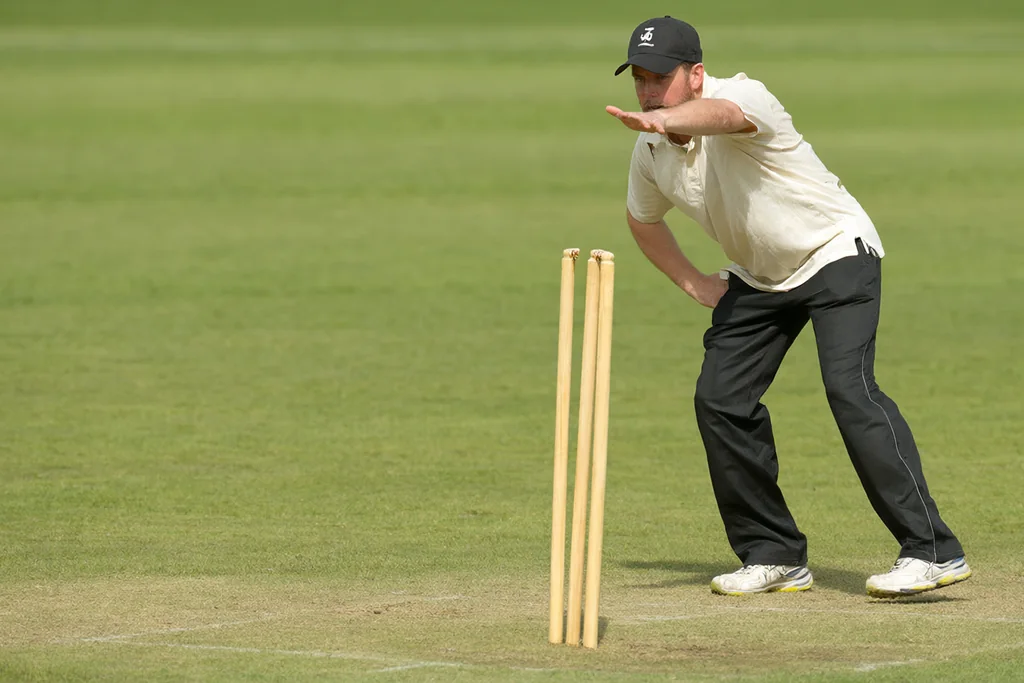
Bet fewer matches, not more
Volume is the easiest way to lose slowly. Every additional bet pays the margin again, and each one is another chance to bet on emotion instead of on an edge.
Many successful bettors work to a shortlist of one to three matches a day, chosen before the day begins. The discipline is not in watching everything; it is in ignoring almost everything.
Do the research once and reuse it
Venue notes, squad roles and pitch tendencies do not change between matches at the same ground. One thorough session at the start of a tournament can carry you through the next six weeks.
Keep a single document with a section per venue and a section per team. Update it after each match you watch, and your preparation time per bet falls steadily while the quality of your reads goes up.
Specialise in two or three markets
Reading ten markets badly beats nobody. Reading totals and top bowler properly for a whole season gives you a reference point that most casual bettors never build.
Specialisation also shortens the analysis. When you know exactly which four inputs move your market, you can form a view in minutes and skip everything that does not feed those inputs.
Make the shortlist before the toss
Decide in the morning which matches interest you and what price you would need. Then set a threshold and walk away until it is met, which removes the temptation to invent reasons for a bet after the line-ups drop.
| Task | Time spent | Reused for |
|---|---|---|
| Venue and pitch notes | One hour per tournament | Every match at that ground |
| Team role chart | Thirty minutes per week | Player and session markets |
| Morning shortlist | Ten minutes per day | Every bet that day |
| Bet record update | Two minutes per bet | Monthly review |
| Score watching | Deliberately limited | Nothing at all |
Notice which row takes the most time and produces the least value. Watching live scores feels like work, but it rarely improves a decision that should have been made before the first ball.

Bet early or late, not in the middle
Prices are usually softest when a market first opens and when late team news forces a correction. The quiet middle hours mostly contain noise, and reacting to noise is what makes betting feel exhausting.
If you bet early, accept that you are taking a view on incomplete information. If you bet late, accept that the value may already be gone by the time the last piece of news lands.
Cut the score-checking habit
Checking a score every few minutes does not change the outcome and does increase the urge to place a live bet. Set two or three checkpoints in a match and leave the rest alone.
The same applies to tip notifications. Turn off alerts that arrive during your working day, and read the ones that matter when you are ready to think rather than to react.
Let the plan carry the effort
A written plan is the cheapest assistant in betting. It holds your staking rule, your shortlist criteria and your stop conditions, so a tired version of you on a Thursday night cannot quietly rewrite them. Our cricket betting guide covers the market knowledge the plan should contain.
Effort then goes where it changes results: better notes, clearer records, more honest reviews. Everything else, from watching every ball to following every pundit, is optional and mostly decorative.
Prepare for the weeks you have no time
Some weeks are crowded, and those are the weeks when improvised bets do the most damage. Have a fallback rule ready: if you cannot complete the morning shortlist, you do not bet that day.
Skipping matches costs nothing. Placing a careless bet costs a unit and, worse, blurs the record you use to judge your method.
A weekly routine that fits in an hour
Betting well is mostly admin done in advance. An hour a week is enough to keep the notes, the shortlist and the records in shape for a full tournament calendar.
- Monday, fifteen minutes: update venue notes from the matches just played.
- Tuesday, ten minutes: review last week's bets and log the closing prices.
- Wednesday, ten minutes: check squad news and role changes for the coming round.
- Daily, five minutes: write the shortlist and the price you would need.
- Sunday, ten minutes: reconcile the bankroll and reset the unit size.
That routine replaces hours of score watching with a small, repeatable process. The bets change every week; the routine does not, and that is what keeps the effort low while results improve.
Use templates so nothing starts from scratch
The reason preparation takes so long is that most bettors rebuild the same notes every week. A fixed template removes that work and keeps the research comparable between matches.
One page per venue, one page per team, and a short daily slip for the shortlist. Everything else, from previews to reaction videos, is optional reading rather than part of the process.
- Venue sheet: par score, chasing bias, boundary size, dew notes.
- Team sheet: likely XI, batting order, bowling phases, overseas balance.
- Market sheet: the two or three markets you actually bet and their typical prices.
- Daily slip: match, selection, price you need, and the time you checked.
- Review page: units won or lost and the closing price for each bet.
Copy the templates each week instead of writing from memory, and the hour you used to spend reconstructing context goes into the two decisions that actually matter.
Do less, but do it deliberately, and the improvement in results tends to arrive before the improvement in the hours spent.