
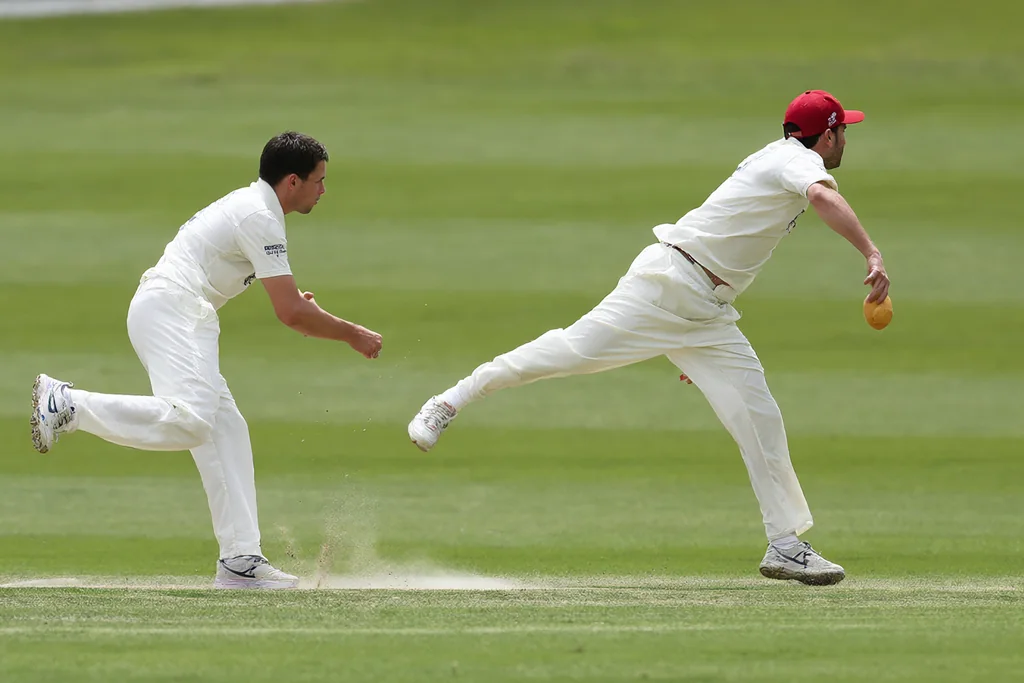
Bowling markets are the most underrated corner of cricket betting. Batters attract the headlines and the money, which leaves top bowler, most wickets and best bowler awards priced on reputation rather than on the roles that actually generate wickets in a given match.
What the best bowler market means
Best bowler usually refers to the leading wicket-taker in a match or a tournament, though some books settle it on an economy and wickets combination. Always read the settlement rules before staking, because ties and no-results are handled differently.
The market is available in several forms: best bowler in the match, top team bowler, most wickets in a series, and season awards such as the Purple Cap in the IPL. Each prices differently, and the wider the scope, the more the odds depend on how many matches a bowler will play.
Format changes everything
In T20 cricket a bowler has four overs and often two of them come at the death, where wickets are cheap and expensive in equal measure. A specialist who bowls overs eighteen and twenty will take more wickets than a better bowler used in the middle overs.
In ODIs the new-ball spell matters more, since swing and seam are strongest early. In Tests the market rewards volume: a bowler who sends down thirty overs across four innings will outlast a more dangerous one used in short bursts.
Read the bowler's role, not the averages
Role determines opportunity. Look at where a bowler is used: powerplay, middle overs, death, or as a part-time option filling in. Wicket-taking markets follow opportunity far more closely than career averages.
Also check who is bowling at the other end. A defensive partner can push an attacking bowler into a longer spell, while a strong pair of seamers may share the overs and split the wickets.
| Market | Settles on | Key factor |
|---|---|---|
| Best bowler in the match | Most wickets, sometimes economy | Overs bowled and phases |
| Top team bowler | Most wickets for one side | Competition inside the attack |
| Most wickets in a series | Tournament total | Matches played |
| Purple Cap and awards | Season leading wicket-taker | Role and availability |
| Wickets in an innings | Single innings tally | Pitch and conditions |
Reading that table in the right order matters. Availability first, then role, then conditions, and only then the bowler's quality, because the first three decide whether quality ever gets a chance to show.
Pitch and conditions
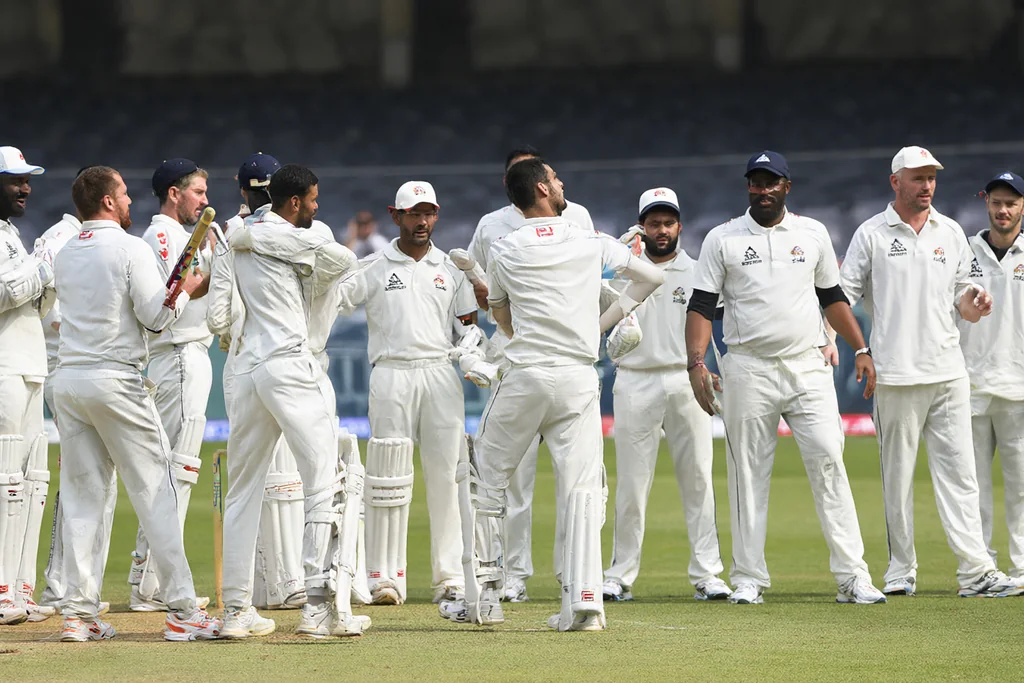
Seamers thrive where there is grass, moisture or a heavy cloud cover, and spinners dominate dry, worn surfaces with bounce. Venue history is the fastest guide, and a simple log of wickets per innings by bowling type will outperform any general impression.
Weather matters too. A morning start after rain can hand the new-ball bowlers a session that decides the market, while extreme heat flattens the pitch and pushes wickets toward spin later in the day.
Economy, wickets and match-ups
Some books settle best bowler on a points system weighting economy with wickets. In those markets a tight bowler in a low-scoring match can outscore a wicket-taker who concedes heavily, so check the scoring before you assume who leads.
- Settlement rule: wickets only, or wickets plus economy?
- Phase usage: powerplay, middle, death, or a mix.
- Pitch type: grass, dry turner, flat deck or a used surface.
- Team balance: how many frontline bowlers share the overs.
- Availability: rotation, injury and international duty.
Those five checks take a few minutes and rule out most of the stale prices. A bowler whose role has changed keeps an old price for two or three matches, and that gap is the whole opportunity.
Series and season markets
Awards like the Purple Cap reward durability as much as skill. A bowler who plays every match at a good economy will often beat a more explosive one who is rested or rotated.
Check the schedule before staking. In a long league, back the bowler with a locked role and no international commitments, and treat injury news as the single most important input into any season-long position.
Practical checks before staking
Confirm the team sheet, then the pitch report, then the price. If the XI shows an extra spinner, a seam bowler's expected overs fall immediately, and the market does not always react that fast.
Read the market rules on ties and abandoned matches as well, since a washout can void or settle a bowler bet in ways that surprise casual bettors. Our guide to top batsman and top bowler markets covers the settlement details in more depth.
Spin or seam: pick the right specialist
The first decision in any bowling market is which type of bowler the conditions favour. On a surface with grass and moisture, the new-ball seamers own the early wickets, and a three-wicket haul in the powerplay can settle the market before spin is even introduced.
On a dry, worn pitch the calculation flips. Finger spinners bowl in the middle overs when batters are rebuilding, and they pick up wickets through pressure rather than pace, often at a better economy than anyone else in the attack.
Where the surface is flat and the boundaries short, the death bowlers become the value. Yorkers and slower balls produce wickets when nothing else does, and a specialist with two overs at the end can outtake a frontline seamer who bowled four expensive overs up front.
- Grass and cloud: back the new-ball seamers for early wickets.
- Dry turner: finger spin in the middle overs tends to lead.
- Flat deck: death specialists collect wickets late in the innings.
- Used surface: check whether the square has been replayed recently.
- Short boundaries: fewer defensive overs, more attacking fields.
Match the specialist to the surface first and the market narrows to two or three realistic candidates, which is exactly how a bowling bet should start.
Do the roles and conditions check first, keep the stakes flat, and bowling markets become one of the steadiest places in cricket betting rather than one of the most frustrating.